



During your stay at our campsite in the Lot, a trip to Lascaux IV is a must.
Just over an hour's drive away, this modern centre takes you into the heart of prehistory with a faithful reconstruction of the famous Lascaux Cave. With cave art, immersive technology and a themed tour, the visit offers a rich cultural experience that is accessible to everyone, ideal for young and old alike.
The history of Lascaux Cave
The history of Lascaux Cave traces the key stages of its discovery, preservation and presentation to the public.
A walk that changed history
On 8 September 1940, Marcel Ravidat and his dog Robot discover a hole in the hill of Lascaux. Intrigued, he returns four days later with three friends. Together they explore the cavity and reveal one of the greatest masterpieces of cave art. On 27 December 1940, the cave is listed as a historic monument.
Did you know? The people who found the cave, namely Marcel, Jacques, Georges and Simon, were only teenagers at the time of their discovery.
A treasure soon under threat
The Lascaux Cave visit opened to the public in 1948. It was an instant success. Too much of one:
- 1955: first signs of damage observed
- 1960: mould appears (“green and white sickness”)
- 1962: up to 1,800 visitors a day
- 1963: the cave is closed by André Malraux (then Minister of Cultural Affairs)
Did you know? In just 15 years, more than a million visitors had walked on the floor of Lascaux.
Lascaux II: a replica to protect the original
In 1983, a replica named Lascaux II opened just 200 m from the real cave. It reproduces two major chambers: the Hall of the Bulls and the Axial Gallery.
Lascaux II in numbers:
- 10 million visitors since it opened
- 250,000 people a year on average
Lascaux III: prehistoric art on a world tour
In 2012, a touring exhibition, Lascaux III, was launched. It reveals previously unseen parts of the cave through mobile reproductions and virtual reality.
Since its launch, the exhibition has travelled all over the world: Tokyo, Chicago, Johannesburg, Montreal, Seoul, Paris and many more.
Lascaux IV: the ultimate immersive experience
The Lascaux IV project was born in 2012. Its aim was to create a complete replica, enhanced by technology. Opened in December 2016, the 11,000 m2 centre offers a sensory journey into prehistory.
Designed by the Norwegian firm Snøhetta, Lascaux IV passed the million-visitor mark by 2019.
What to see at Lascaux IV?
Before you visit the reconstructed Lascaux Cave, Lascaux IV invites you on a truly immersive journey, combining science, art and emotion. The visit lasts 2 to 3 hours on average, with several types of tour to suit you.
Three ways to visit
- Guided tour: morning or afternoon, accompanied by a guide.
- Self-guided tour: at lunchtime, with an audio guide.
- Special tour: storytelling tour or “Prestige” tour, at set times.
The areas to explore
Here are the key stages of your visit:
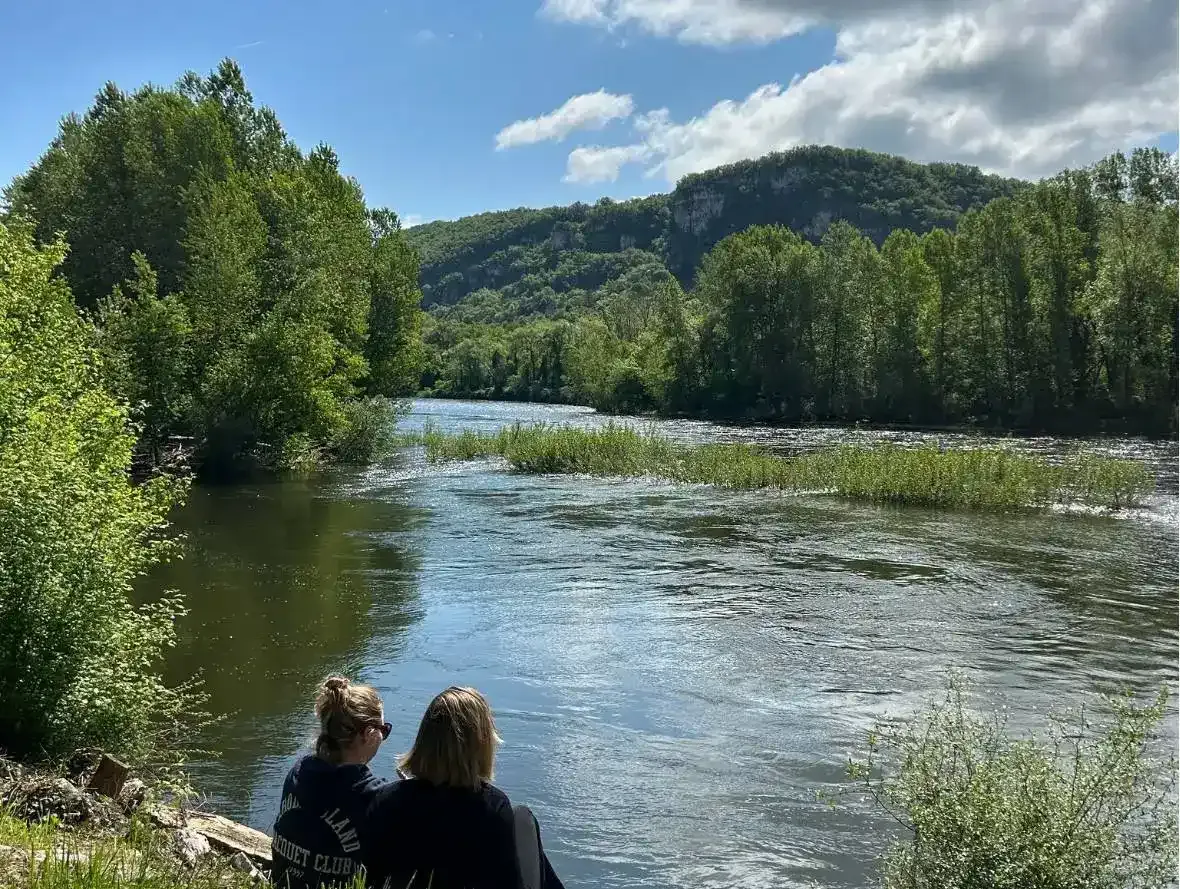
- Vézère Valley viewpoint : to start the journey, take in a panoramic view over the UNESCO-listed valley.
- The Shelter: a first immersion in the prehistoric world and the story of how Lascaux was discovered.
- The Cave : don't miss this exact replica of the original cave, with its cool walls, its silence and its spectacular paintings.
- The Lascaux Workshop: this workshop compares works and focuses on the techniques of the prehistoric artists.
- Theatre of Cave Art : this interactive space decodes the painters' gestures and tools.
- “Lascaux and the World” cinema: this film explains the cultural and scientific impact of Lascaux around the world.
- Gallery of the Imagination: admire contemporary works inspired by Lascaux, from Picasso to street art.
- Immersion Room: a 360° projection awaits you, to experience cave art from a new angle.
Together, these rooms make up an 11,000 m2 tour.
Activities and experiences at Lascaux IV
Beyond the classic visit, Lascaux IV offers a rich programme of activities throughout the year. Some tours take a more original form, such as the storytelling tours of Lascaux Cave, which immerse visitors in the world of the cave through lively, accessible stories that families particularly enjoy. Others, such as the Prestige tours, are aimed at enthusiasts who want to discover the cave in every detail, accompanied by a specialist guide.
A range of hands-on workshops also let you try out the techniques of the prehistoric artists. In the drawing workshop, you learn to draw as people did 20,000 years ago, with natural pigments and simple gestures. Other workshops take a more archaeological approach, where visitors can handle tools or objects inspired by daily life in the Palaeolithic era. During the school holidays, these activities are adapted for younger children for a fun, sensory discovery.
The site regularly hosts one-off events such as talks, screenings, temporary exhibitions and themed evenings. These highlights open new perspectives on prehistory and cave art, while creating new ways to (re)discover Lascaux.
Practical information for visiting Lascaux Cave
Before setting off to discover Lascaux IV, here's what you need to know to plan your visit.
Where is Lascaux IV?
The site is in Montignac-Lascaux, in the Dordogne, in the heart of the UNESCO World Heritage-listed Vézère Valley. Easy to reach by car from our campsite, a 1 hr 10 min drive away, it's the perfect day trip, combining nature, heritage and discovery!
Opening times
- Open all year round (except in January, during the annual closure)
- Opening times vary with the season: from 9 am to 7 pm in high season
Our tip? The site is quieter in the middle of the day and on weekdays, outside the school holidays.
Prices
Prices for standard visits (self-guided or guided) are as follows:
- Adults (13 and over): €23
- Reduced price: €22
- Children (5 to 12): €15
- Children under 5: Free (ticket required)
- Visitors with disabilities: €16
Accessibility and on-site services
Lascaux IV is fully accessible to people with reduced mobility, with adapted facilities throughout the tour.
On site, you'll find:
- A shop selling books, souvenirs and replicas of prehistoric objects.
- The Café Lascaux, with a menu blending tradition and modernity for a tasty break
Free car parks are available nearby, with spaces reserved for people with reduced mobility and for motorhomes.
The Lascaux Caves are among the must-sees in this corner of south-west France, along with the Dordogne Valley, the Padirac Chasm and Rocamadour.
Don't wait! Book now your stay at our campsite in the town of Vayrac and enjoy a trip to Lascaux IV during your holiday in the Lot.