


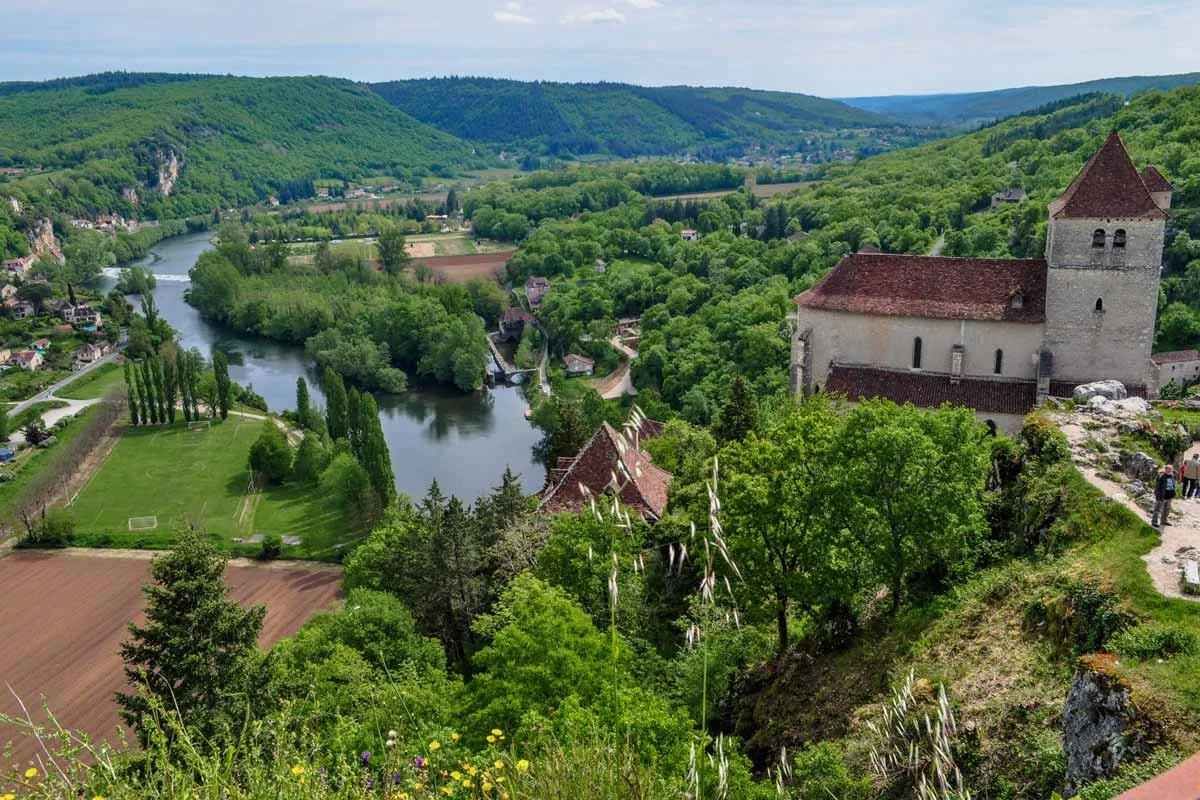
Uxellodunum remains one of the great names of the Gallic Wars, linked to the last stand of the Gallic armies against Julius Caesar in 51 BC. From our campsite in the Lot, in Vayrac itself, the oppidum is just a few minutes away.
The site is now identified as the Puy d'Issolud, in the municipalities of Vayrac and Saint-Denis-lès-Martel, in the Lot.
This article traces the history of the siege, looks at the debate over its location and sets out the practical information you need to visit it.
Key facts
- Uxellodunum was the scene of the last great Gallic battle against Caesar's legions, in 51 BC.
- The site is now identified as the Puy d'Issolud, in the municipalities of Vayrac and Saint-Denis-lès-Martel, in the Lot.
- A commission of the French Ministry of Culture made this identification official in 2001, after several decades of debate among historians.
- The Roman legions defeated the stronghold by drying up its water source with underground tunnels.
- The site is open to visitors in summer, and a dedicated museum in Vayrac rounds off the visit.
Uxellodunum, scene of the last battle of the Gallic Wars
In 51 BC, Uxellodunum became the last bastion of Gallic resistance against Julius Caesar's legions, a year after the fall of Alesia. Survivors of Alesia joined the stronghold to fight one final battle, perched on a plateau naturally protected by sheer cliffs.
Unable to break through the defences by force, the legionaries went after the water supply. According to the Vayrac town hall, the stronghold surrendered after the Romans dug underground tunnels to dry up the spring feeding the besieged, a move that left the Gauls with no way out.
This surrender also marked the end of the Gallic Wars that Caesar had begun several years earlier. The episode remains one of the very last armed uprisings of a Gaul soon to be absorbed into the Roman Empire.
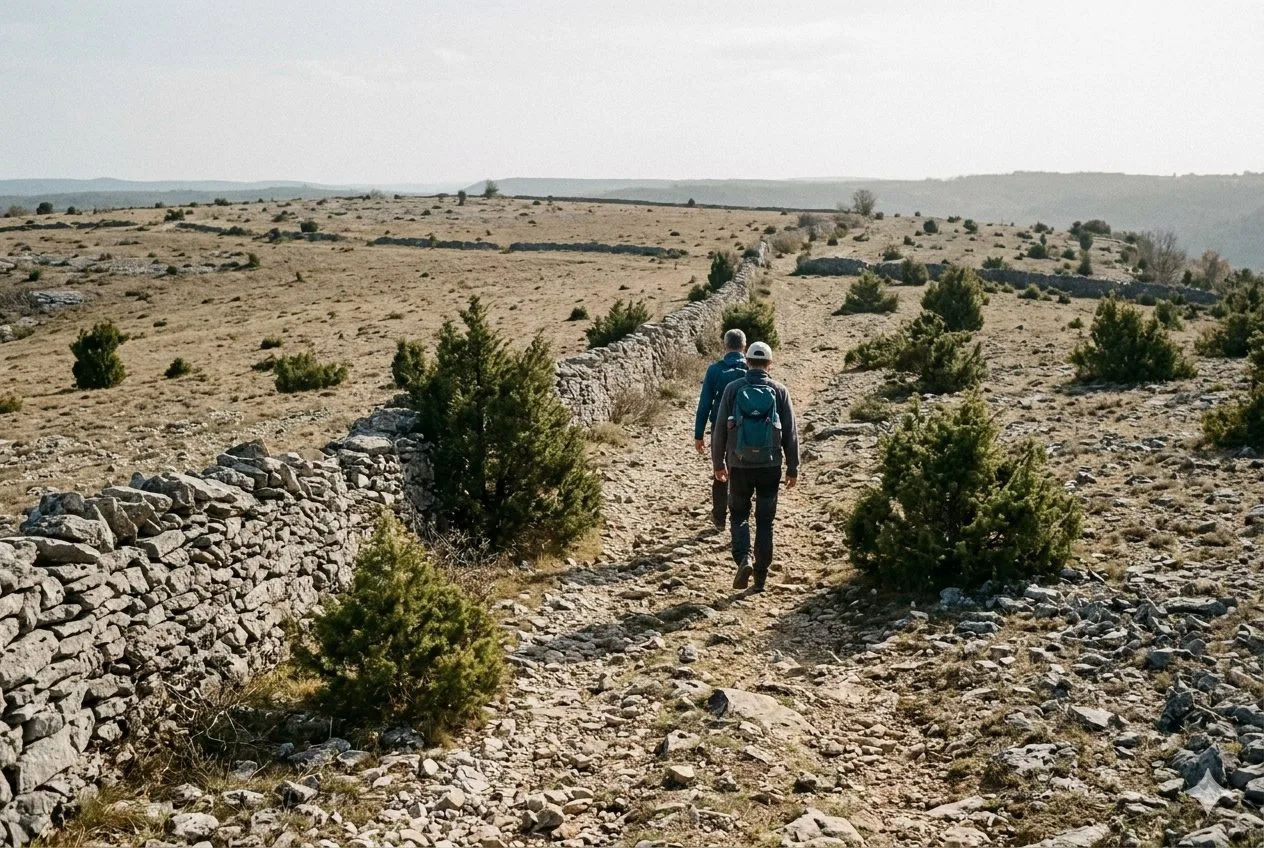
Where is Uxellodunum? A debate settled in 2001
Pinpointing Uxellodunum divided historians for a long time, with several sites in the Lot claiming the name before archaeology settled the matter.
The Puy d'Issolud, the site recognised today
The Puy d'Issolud, a plateau in the municipalities of Vayrac and Saint-Denis-lès-Martel, is the site now recognised by the French Ministry of Culture as Uxellodunum.
This identification was made official in 2001, following excavations carried out between 2001 and 2010 by archaeologist Jean-Pierre Girault, as detailed by the Société des Études du Lot. This research uncovered military equipment dating from the 1st century BC, near the Fontaine de Loulié.
An identification debated for many years
Before this recognition, several towns in the Lot laid claim to the name Uxellodunum, each putting forward its own historical and place-name arguments. The debate went on for several decades before it was settled on the basis of archaeological evidence rather than literary theories.
Practical information
Here is the useful information, provided by the Lot tourist office, to plan a visit to the site of Uxellodunum, between the Puy d'Issolud and the Vayrac museum:
- Dates and opening times: the Puy d'Issolud site, at the place called Fontaine de Loulié, is open in July and August, every day from 10 am to 12 pm, while the Uxellodunum museum in Vayrac is open from 1 July to 31 August.
- Address: route du Pont Roux, Fontaine de Loulié, 46600 Saint-Denis-lès-Martel.
- Prices: from €6 per adult and from €3 per child, for a guided tour.
- Contact: bookings and information on 06 71 84 51 17 or on the official website of the archaeological site.
- Facilities: parking, toilets and a shop are available on site, and pets are welcome.
Please note: these times apply to the high season. It's best to check them before you go, especially in spring and autumn, when guided tours can still be arranged for groups on request.
Sights on site and nearby
The Uxellodunum museum, in Vayrac, displays a scale model of the oppidum and the objects unearthed during the excavations: Gallic and Roman weapons, coins and pottery. Open in July and August, it is the perfect complement to a visit to the Puy d'Issolud plateau, a few kilometres away.
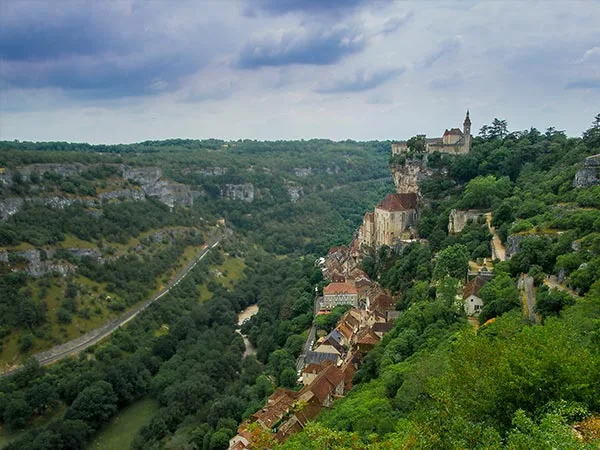
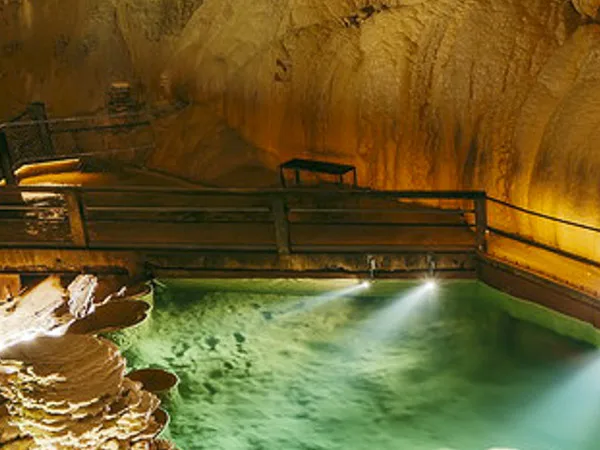
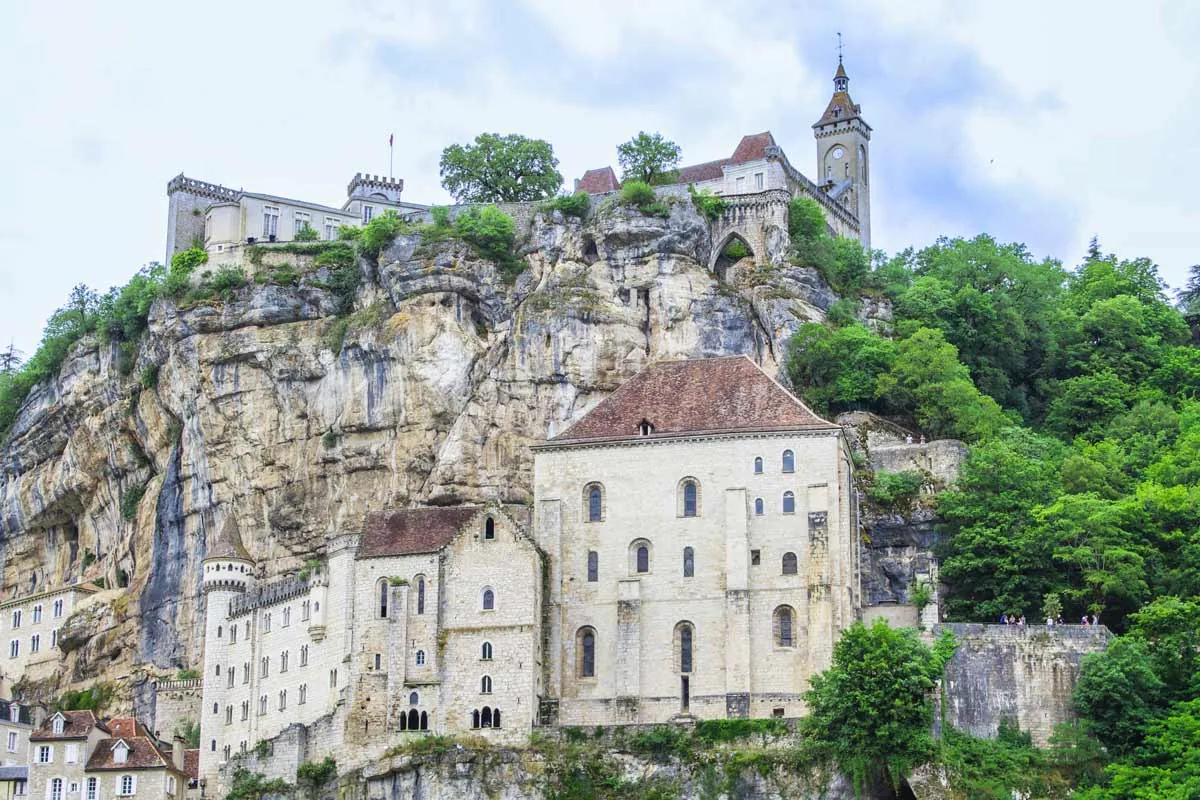
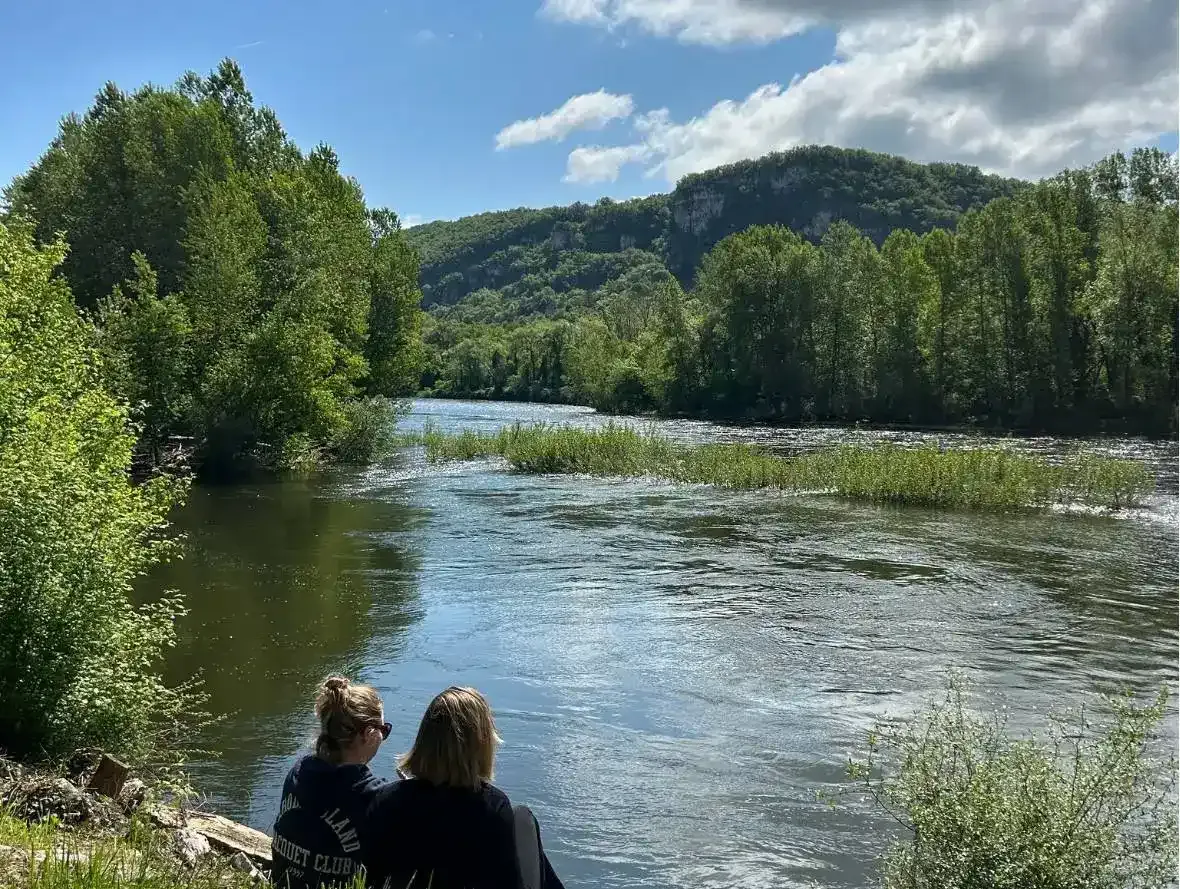
The little extra: from Camping Les Granges, the Uxellodunum site is around fifteen minutes' drive away, between the cliffs of the Dordogne and the hilltop villages of the Quercy. Our history-loving guests often round off their visit with a detour to nearby Rocamadour or the Padirac Chasm, for a whole day devoted to local heritage.
As Stéphanie, who runs the campsite with Laurent, puts it: “Many of our guests have no idea that a whole chapter of the history of Gaul was played out just a few minutes from here! It's a site well worth the detour, especially alongside a trip to Rocamadour or Padirac.”
To extend your getaway through history and heritage, our things to do in the Lot page lists other must-see sites less than an hour from the campsite.
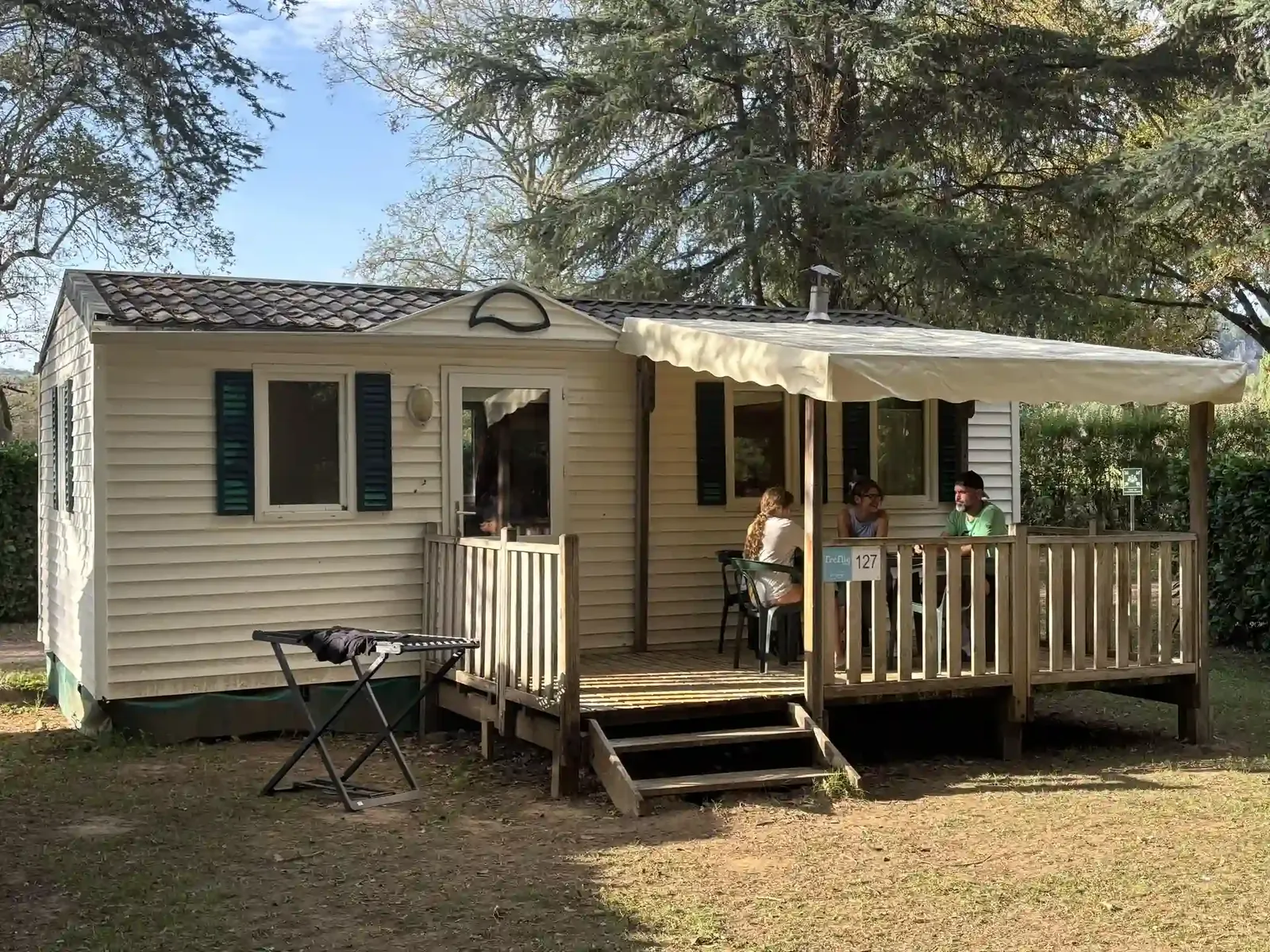
Fancy combining ancient history with a green holiday in the Lot? Book your stay at Camping Les Granges, in Vayrac, just minutes from the Uxellodunum site.
Questions at the counter
FAQ - Uxellodunum
Where is Uxellodunum?
Uxellodunum is on the Puy d'Issolud plateau, straddling the municipalities of Vayrac and Saint-Denis-lès-Martel, in the Lot. This location was made official in 2001 by a commission of the French Ministry of Culture, after several decades of debate among historians about the exact site of the siege.
Can you visit the Uxellodunum site all year round?
No, the Puy d'Issolud site is mainly open in July and August, with regular opening times. Outside this period, guided tours can still be arranged for groups on request, especially in spring and autumn, subject to booking in advance.
Why did Uxellodunum remain a mystery to historians for so long?
No ancient source gives a precise location, only topographical clues taken from the Commentaries attributed to Hirtius. Several sites in the Lot matched these descriptions, which fuelled the debate until the excavations at the Puy d'Issolud provided decisive physical evidence.
What can you see at the site today?
The Puy d'Issolud site preserves the remains of the ancient siege, notably around the Fontaine de Loulié, where excavations have yielded Gallic and Roman weapons. The Uxellodunum museum in Vayrac rounds off the visit with a scale model of the oppidum and the objects found during the archaeological digs.
How much does it cost to visit the Uxellodunum site?
Expect to pay from €6 per adult and from €3 per child, for a guided tour. Bookings are made directly with the local organisers, by phone (06 71 84 51 17) or via the official website of the archaeological site.
What is the link between Uxellodunum and the Battle of Alesia?
Uxellodunum belongs to the same Gallic Wars as Alesia, but a year later, in 51 BC. While Alesia marks the defeat of Vercingetorix, Uxellodunum was the very last centre of armed Gallic resistance before the territory submitted completely to Rome.
Fancy sleeping a stone's throw from the last Gallic battle?